Future of Us

where civic imagination, insights, and infrastructure meet

Donate

The Visions · The living archive

Hall of Anythings

Browse the future worlds we heard imagined across the country, brought to life through art and story.

Free to explore, download, and share.
  • Illustrated by Yuko Okabe

  • Illustrated by Kate Medina

  • Illustrated by Kaeli McLeod

  • Illustrated by Catherine Wang

  • Illustrated by Grace Preston

  • Illustrated by Micheline Hess

  • Illustrated by Yuko Okabe

  • Illustrated by Grace Preston

  • Illustrated by Frank Myles

  • Illustrated by Yuko Okabe

  • Illustrated by Crys Ganatra

  • Illustrated by Crys Ganatra

  • Illustrated by Oak Bediako

  • Illustrated by Ania Siniuk

  • Illustrated by Oak Bediako

  • Illustrated by Kaeli McLeod

  • Illustrated by Micheline Hess

  • Illustrated by Ania Siniuk

  • Illustrated by Catherine Wang

  • Illustrated by David Dawkins

  • Illustrated by Ania Siniuk

  • Illustrated by Grace Preston

  • Illustrated by Frank Myles

  • Illustrated by Kate Medina

  • Illustrated by Frank Myles

  • Illustrated by Catherine Wang

  • Illustrated by David Dawkins

  • Illustrated by Kate Medina

  • Illustrated by Micheline Hess

  • Illustrated by Kaeli McLeod

  • Illustrated by Kaeli McLeod

  • Illustrated by Crys Ganatra

  • Illustrated by Micheline Hess

  • Illustrated by Frank Myles

  • Illustrated by David Dawkins

  • Illustrated by Yuko Okabe

  • Illustrated by Oak Bediako

  • Illustrated by David Dawkins

  • Illustrated by Oak Bediako

  • Illustrated by Crys Ganatra

  • Illustrated by Kate Medina

  • Illustrated by Grace Preston

  • Illustrated by Catherine Wang

  • Illustrated by Ania Siniuk

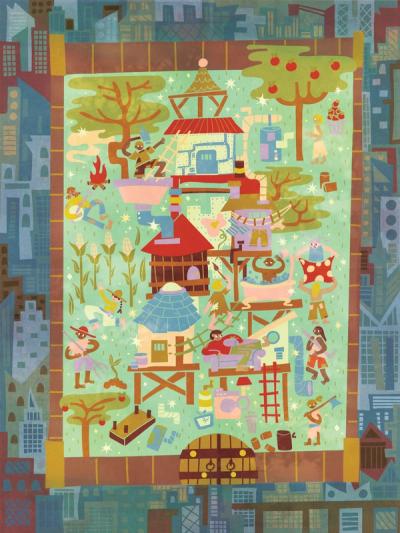
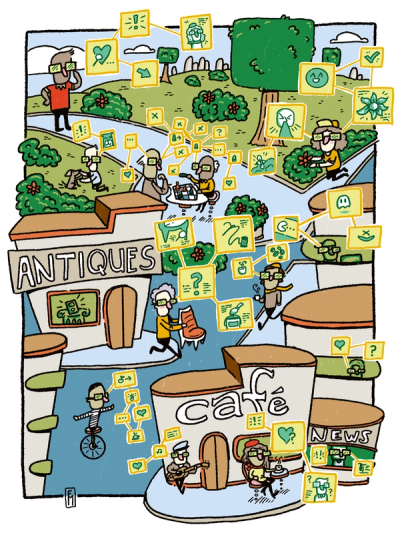
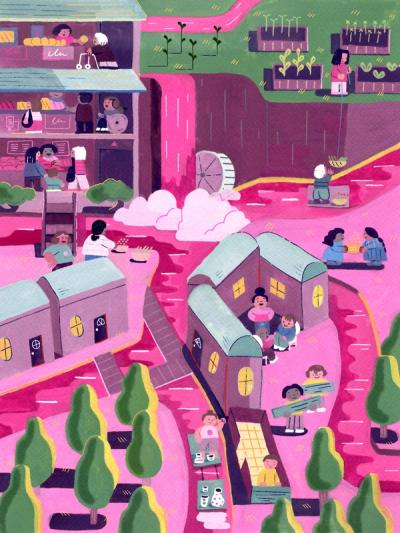
Artwork for “The Day They Took AI Away”

Science & Tech Futures Kenilworth, UT

The Day They Took AI Away

In the gleaming world outside, everything worked. AI managed your health. Robots prepared your meals. Neural implants connected you to a network that anticipated your needs before you felt them. Life was frictionless, efficient, easy. The cost was simple: follow the rules

When people broke them, the society faced a question: what do you do with those who disrupt the system? They’d abandoned prisons, too cruel, too wasteful, especially for the minor offenders and mischief makers they were worried about. So they launched an experiment — isolated communes where rule-breakers would be separated from their robots, their implants, their AI. Not to punish them, but to protect the whole. Over time, they’d be given chances to rejoin. Nobody knew how it would go, but it was worth a shot

The first group arrived disoriented. In a sense, it felt like they’d lost their limbs — they were disconnected from the technology woven into their bodies and environments since childhood. The first weeks were agony. Withdrawal. Boredom. Panic at the thought of doing anything themselves. Then as they settled in, something shifted

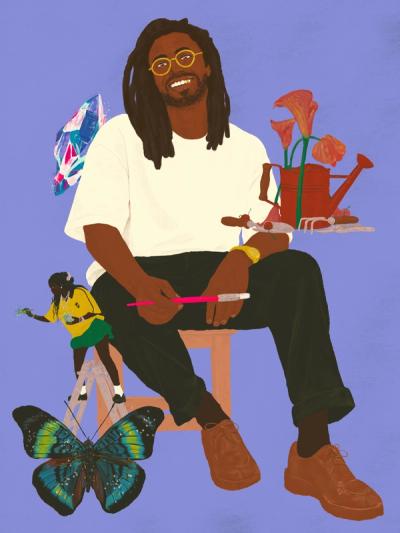
Can we have art supplies? someone asked. The answer was yes, so they started painting – buildings, faces, canvases. Someone else asked: can we cook together? They learned. They made meals for each other, and decided to try to grow some things themselves. Someone joked about building a fort, and suddenly fifty people were hauling scrap wood and creating a massive structure in the center of the commune. They painted it, of course, made props, then played inside it like children. They made up games. They practiced performing songs and stand up for each other, learning instruments. They fixed broken things. They made broken things into new things. They dyed clothes with plants. They did hard things

Word leaked out as the news covered the experiment. The frictionless world watched this chaotic, messy, joyful thing happening in the exile commune, and shockingly, people started misbehaving on purpose. Minor violations – just enough to get sent there, just to see

They’d glimpsed something the frictionless world had optimized away: the pleasure of making something with your hands. Of not knowing what would happen next. Of a community that had to figure things out together. Of friction, and failure and slow, inefficient play

Society had meant the commune as punishment, but it was quickly becoming a beacon for all of the things you gain from the imperfections that slow us down

Illustrated by

Kaeli McLeod

A full list of the tour participants across the country who inspired this story, and gave their permission to be credited, is coming soon.