The Visions · Tour recap
What we heard
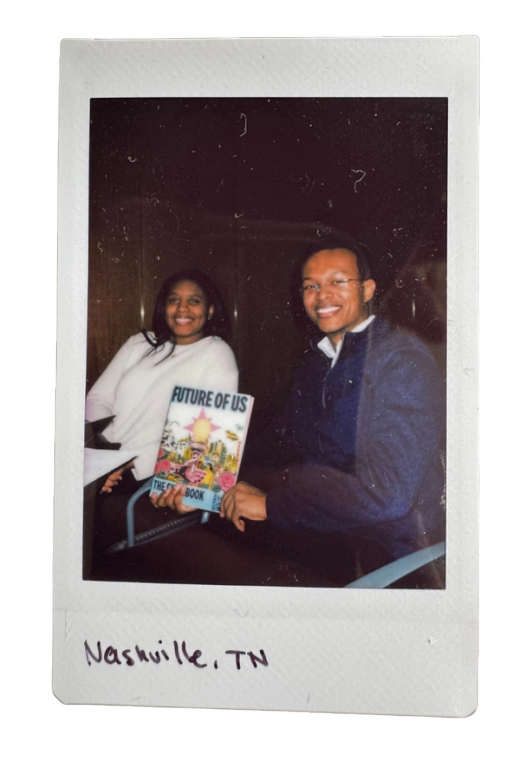
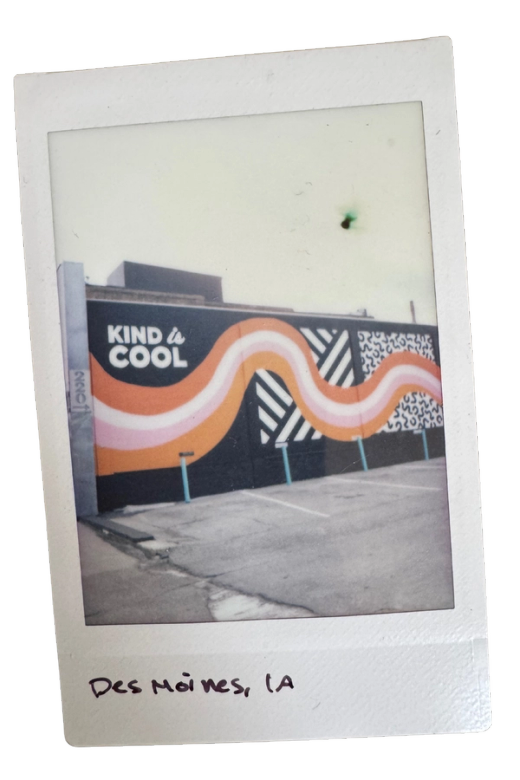
Across the country, we heard a wide range of ideas and possibilities. Yet across politics, geography, and generations, there were through lines and patterns: energy and synergy around a few big ideas. Some of them surprised us.
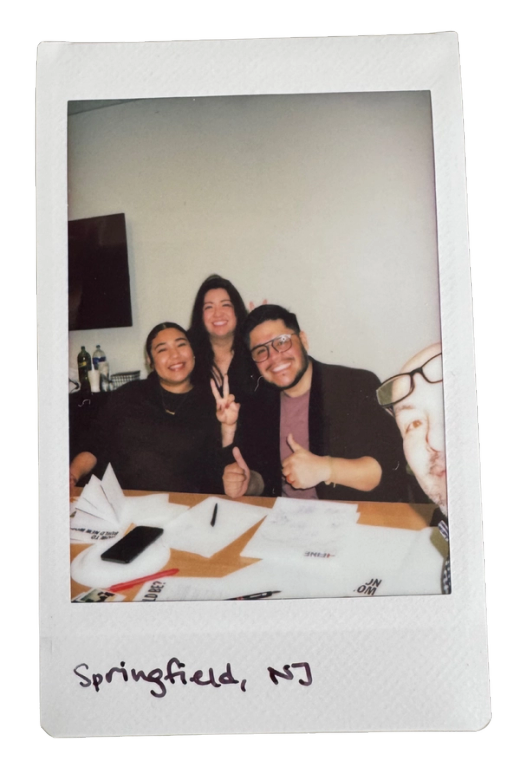
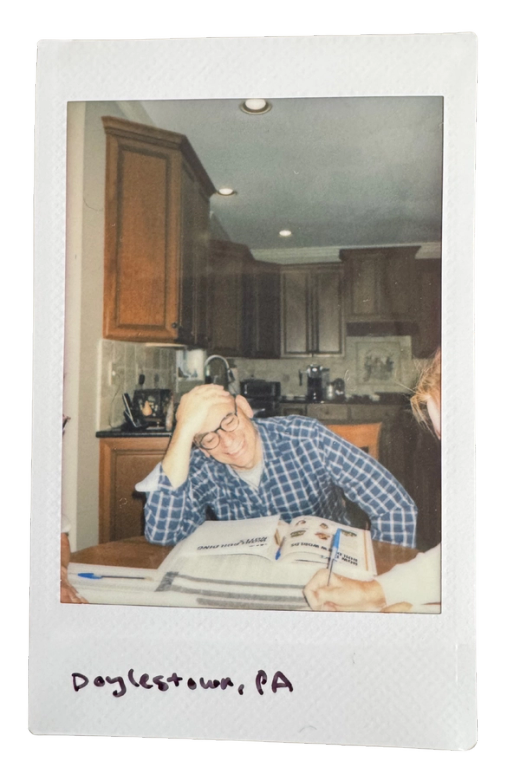
The biggest themes
Across identities and geographies, people imagined a future with creeks running through our neighborhoods, technology designed with people, not profit, in mind, plenty of time for the things that bring us closer together, more creative ways to learn, and people tending their own slice of the living world. The old wounds are still visible, but they’ve become scaffolding for what we chose to build next.
Green Futures
What would healing patterns look like if we centered nature and collective life in how we redesign our world?
On our tour, people described a paradox. They told us stories of playing in creeks in the summer, seeing a rare bird in their neighborhood, picking berries at their peak. Regardless of their politics, nearly everyone we spoke with described a deep connection to nature and a reverence for its ability to nourish, awe, and heal. And yet, in the same breath, they felt powerless to protect it. The cities are already built. The damage is already done. It's too late. How could we ever go back?
From hopelessness to agency
People told us there’s nothing they can do: the cities are built, the damage is done. What they want is a way in, from a backyard or a block to a city council.
neighbors tending a shared corridor · a say in what gets built · small acts that add up
Nature that heals us
Almost everyone described how being outside restores them: calmer, healthier, more themselves. They want that within reach, every day, for everyone.
rest in green space · forest bathing · gardens as care
Green on every block
Nature shouldn’t be somewhere you drive to. People imagined it woven into daily life, right where they live and work.
rooftops in bloom · street trees and shade · lawns turned meadow
Repair, not return
Healing doesn’t erase the wound; it grows something new over it. People imagined the scars of the past becoming the structure of what comes next.
daylighted creeks · land mid-recovery · old infrastructure gone green
Room for wild neighbors
Across politics, people cared about animals and biodiversity and didn’t want to lose them. They imagined cities that share space with other species.
pollinator meadows · nesting boxes in buildings · wildlife corridors
Together, outside
Nature isn’t only a solo escape. People wanted it as the place community happens: where we gather, grow food, and look after something together.
community food forests · creek-side parks · picnics on living rooftops
These conversations inspired the exhibit
Science & Tech Futures
What would it look like if technology were good for us?
Everywhere from an old coal town in Utah to the South Side of Chicago, people were often pessimistic, not because they don't hope for a better future, but because they're not sure their idea of “better” lines up. Across the tour, the technology people were most interested in boils down to a simple north star: Does it make me and the people I love truly happier, healthier, and safer?
Tech for Living Things
Looking outward to ecosystems, plants, fungi, soil, and the living systems we evolved inside of, as sources of both ancient wisdom and future medicine.
medicinal mushrooms · fermentation traditions · forest bathing · spider silk sutures
From Soil to Gut
We need to think of our food system as part of our health system: what we eat is infrastructure for biological flourishing.
food-as-medicine programs · regenerative agriculture · fermented foods
Integrating Systems for Flourishing
Much of what makes people sick isn't biology, it's systems. The most powerful health technology might not be a drug or a device. It might be coordination.
health records that follow you · patient-owned data · food waste reduction
Soft Tech
We are learning to enhance and support human biology without replacing it. The goal is to give life more of a chance: longer, healthier, more whole.
soft bioelectronic patches · lab-grown organs · liquid biopsies
Longevity & the Healthspan
The goal isn't to live forever. It's to live well: to stay sharp, mobile, connected, and purposeful for as long as possible.
Expression, Connection & Mental Flourishing
Health isn't only about the absence of disease. It's about feeling at home in your body, feeling seen by other people, and having support when you're struggling.
AI companions for older adults · a personal AI on a device you own · neurofeedback
These conversations inspired the exhibit
Media Futures
What could the future of knowledge feel like?
For a while, we thought the problem was access. Then AI made nearly all of it instant and free, and we realized access was never the hard part. The hard part was making sense of it all: turning information into something shaped by nuance, purpose, and collective insight.
Multiple Ways of Knowing
Knowledge celebrates pluralism and spans domains. It’s comfortable with nuance and complexity, and makes room for art and emotion in sensemaking alongside science and data.
Intergenerational Exchange
Knowledge flows both ways between young and old, with elders and youth learning from one another.
Shared Truth
Common ground on the facts, upheld by experts and the people most affected, without authoritarianism, and open to everyone along with its sources.
a more flexible, vetted Wikipedia
Transparency
Open, federated platforms where NGOs, funders, and governments share real-time data, and every input, including AI sources, is clearly labeled.
Generative Communities
Every community has a place to explore big civic ideas creatively: a peaceful, well-designed space you know you’ll find in every city.
reimagined libraries · bookshops designed to linger in · coffee shops for conversation · civic culture hubs
Emotional Infrastructure
One of the most surprising themes was the call for emotional check-ins and grounding in the spaces where we gather knowledge and make sense of the world.
calm, beautiful environments · rituals
These conversations inspired the exhibit
Why these conversations matter
The goal of building a more creative civic culture isn’t about people magically coming up with the perfect vision, or reaching consensus about what we should build. It’s about the process and participation itself. By exploring, we stay in the loop about what’s happening around us. By imagining, we expand our sense of what’s possible. By clarifying our horizons, we direct our actions. And by exchanging, we learn more about what our neighbors actually want.
Social Futures
What if we designed our cities for wellbeing instead of convenience?
On our tour, the loudest message we heard was a longing for slowness, for space, for time. Turns out, people aren't lying awake wishing for more efficiency: they're wishing for less. People imagined futures full of lovely, slow things they too rarely have time for: a meal with friends you spent hours preparing together, a long afternoon walk through the park, a craft learned patiently by hand, evening chats on the front porch with your neighbors.
Soft Power
When people come together at scale around what they actually want, that collective force becomes the strongest power there is.
writing their own stories · setting their own North Stars · neighbors and networks
Co-creation in Civic Life
A shift from passive democracy to generative democracy: hyper-local infrastructure, relationships, information, and imagination that let people actually co-create the places and systems they live inside.
Wellbeing over convenience
A reorientation of what our cities and systems optimize for: designing for lingering, for encounter, for the kinds of friction that make us more human, not less.
Craft & Process
Designing our communities to make more room for the things that take time and bring us closer together, using automation where it's useful.
slow-smoked barbecue · homemade jam from your garden · furniture-making · front porch hangs
Shared Assets & Collaborative Building
What becomes possible when we stop organizing our lives around individual accumulation and start organizing them around collective coordination.
repair cafés · library of things · neighborhood asset maps · childcare cooperatives
Third Spaces / Social Connection
The decline of third spaces has been a quiet catastrophe for community life; their return is one of the most concrete things we can design for.
tea rooms · civic galleries · libraries · neighborhood halls
These conversations inspired the exhibit