The Visions · 01 · Imagine
The Visions
What kind of future do you actually want? That’s the question we asked more than a thousand people, from Sitka, Alaska, to St. Augustine, Florida, to our home in San Francisco. We turned their answers into art, reflections, and stories of what’s possible.
Take the conversation home
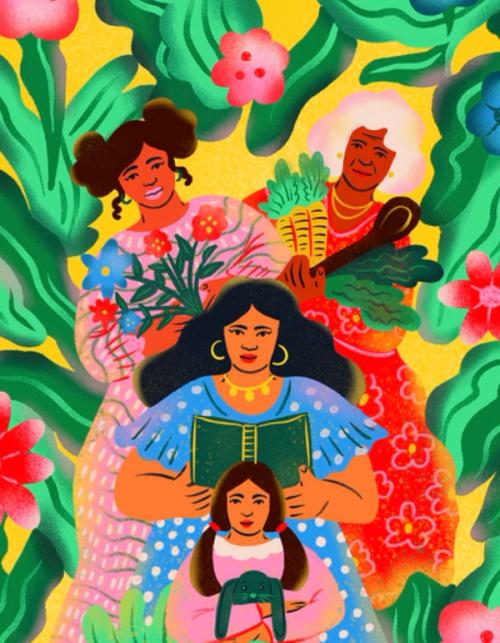
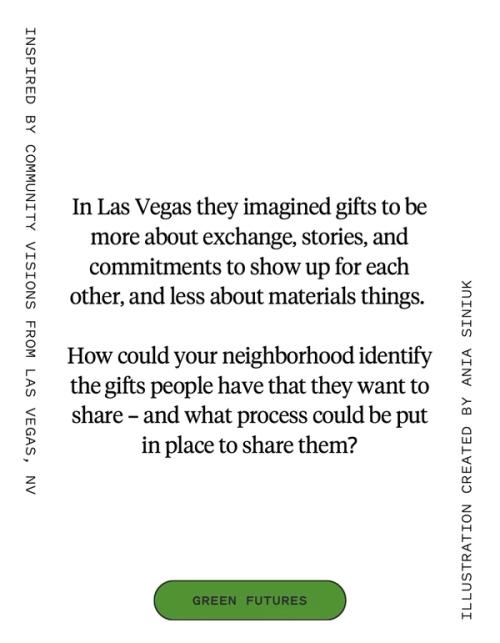
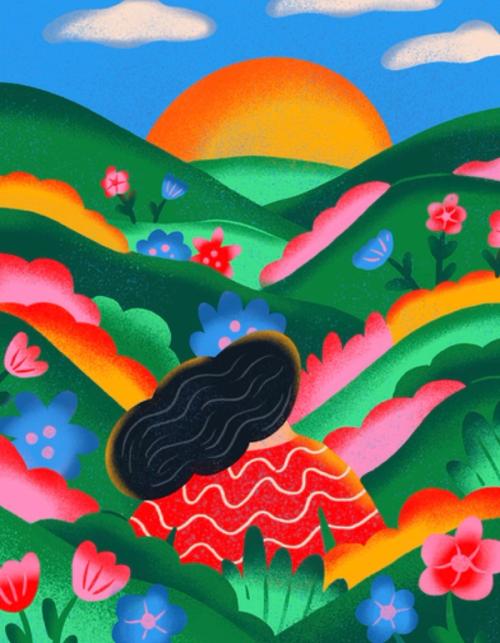
“Neighborhood Futures” reflection cards
This deck features 20 visions from the tour, each paired with a question for your own community to reflect on its future. Art on the front, a conversation starter on the back.
Print, cut and pass them around a dinner table, a block party, a community meeting or a pop-up cafe. Pick a card, read the vision, and talk about what it could look like where you live. In San Francisco, we’re building pipelines to turn ideas like these into civic action. Stay tuned, and we’d love to hear what you come up with.
Free to print and use for non-commercial gatherings, with credit to the artists and Future of Us (CC BY-NC-ND 4.0).
Collective voices, collective futures
Imagination happens everywhere
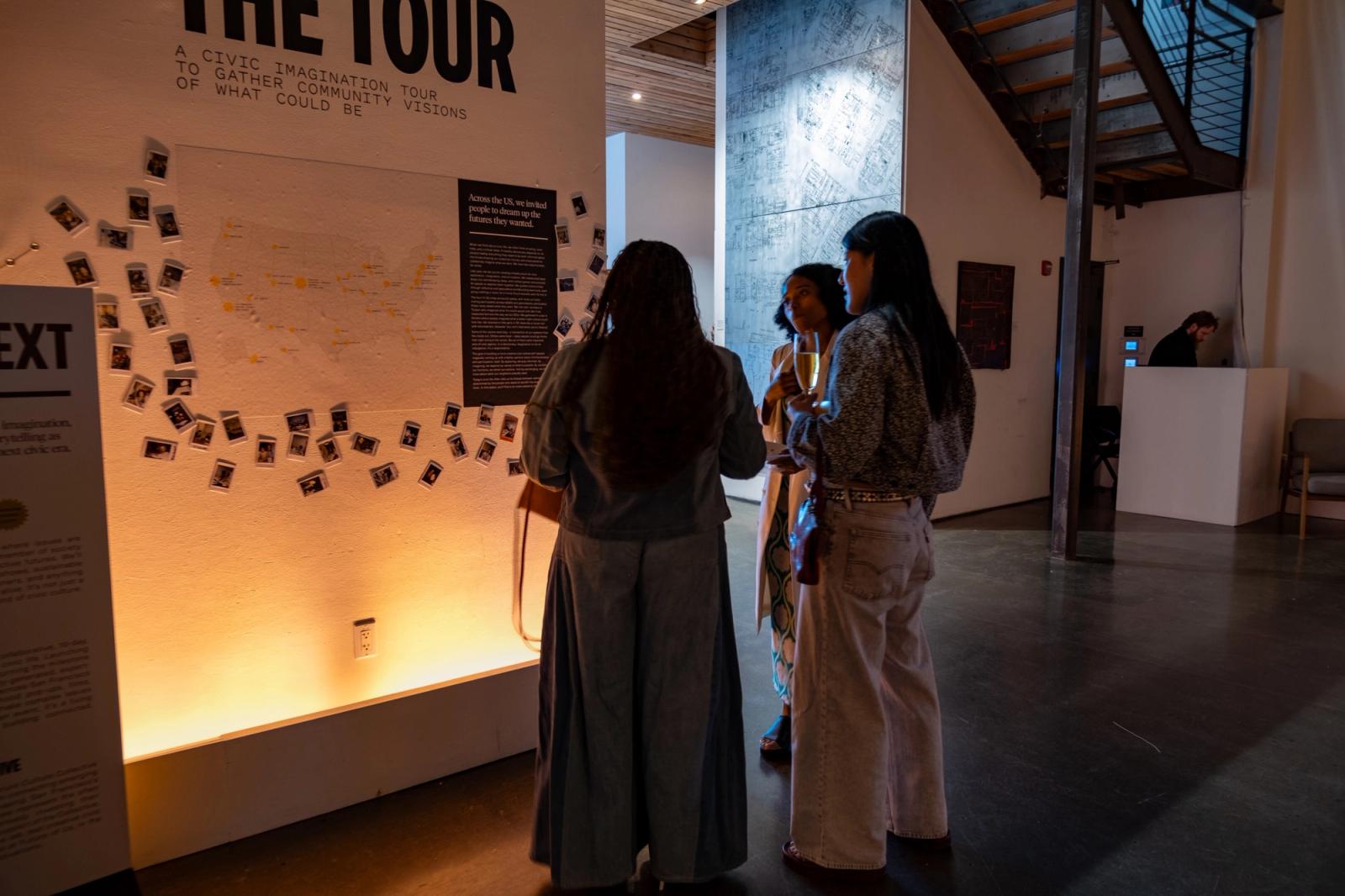
Bars, cafes, kitchen tables, museum classrooms: wherever people gathered, we walked them through world-building exercises to imagine the futures they want to live in.
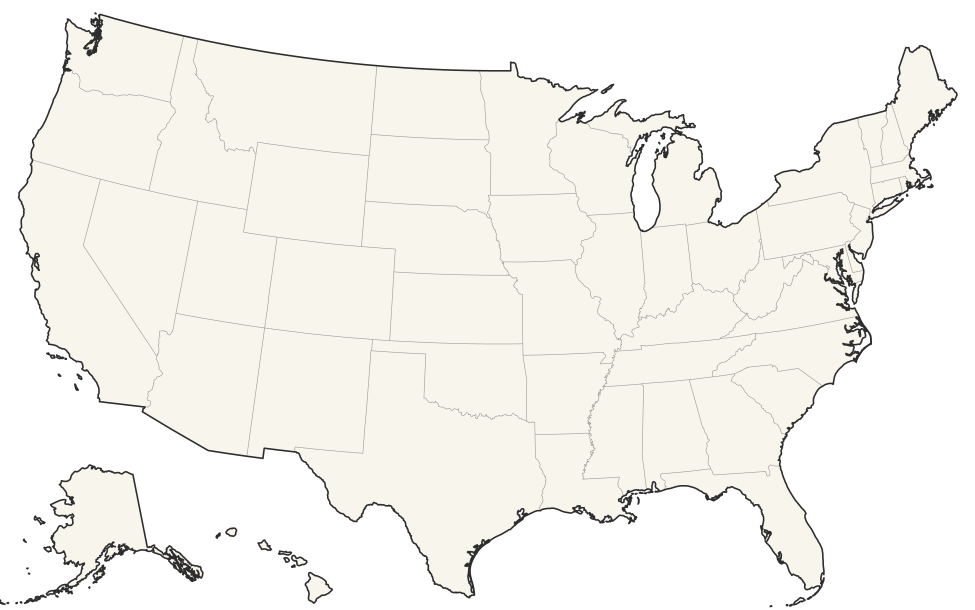
The tour
50 cities, 27 states
We met with ranchers in Tucson who imagined what the world would look like if we respected farmers the way we do CEOs. We gathered in a bar in Omaha where people imagined what a sober night culture could look like. We listened to little girls in DC describe a future rich with volunteerism, because “you can’t hate when you’re helping.”
Why go national for a San Francisco project? The futures built here reach far beyond the city, and a city can’t imagine them well by listening only to itself. So the tour became an unflattening: people describing their own futures in their own words, instead of the caricatures we trade about each other (“San Francisco is out of touch” among them). Then we brought those voices home and set them beside what we heard in San Francisco’s own neighborhoods.
A sample tour gathering
From “what if” to a world
- WelcomeThe tone is set so everyone feels qualified to imagine, in a room full of people who too rarely get asked what they want for the future. Tonight, everyone has permission to dream.
- Imagination modeGames and a little science to get comfortable dreaming things up again.
- Go deep on one futureA short guidebook synthesizes expert insights on what’s emerging, so imagination becomes an informed act.
- Quiet reflectionEach person picks a date in the future and writes, in a workbook, what a day or a week in their life would look like if we got it right.
- Build a worldSmall groups compare notes and build a world together, using world-building principles to explore its characters, values, systems, tools, and culture.
- Pitch the storyThe evening wraps up in an imaginary writers’ room, where each group pitches a hopeful story set in its world and brings everyone into its vision.
World-building 101: the five elements
 CharactersWho lives there and what are they like? What roles do they play that may be different than today?
 ValuesWhat do the people in this future have to care about in order to make it work? What drives them?
 SystemsWhat kinds of institutions are needed? What infrastructure keeps it running? Who has power?
 ToolsWhat technologies, discoveries, and other innovations do people in this world use?
 CultureWhat is day-to-day life like for people? What cultural supports or norms does this world need?
Four future themes
Four futures
Future of Us is organized around the four future themes below, and each conversation went deep on one of them, chosen by the co-host. Before the tour, we spent a year researching and preparing a guidebook that synthesized the biggest emerging themes and possibilities in each, so everyone could start from a shared base of knowledge. Our goal wasn’t to tell people what to think, but to give them a chance to explore what’s happening and come to their own conclusions: to inform rather than persuade, so the futures people imagined stayed grounded in the realities we’re living in.
Green Futures
What might it look like for both people & the planet to thrive?
Ecosystems, waste, energy, and sustainability
Social Futures
How would our tools & communities change if we put wellbeing first?
Neighborhoods, workforce, cities, culture, and power structures
Science & Tech Futures
How do we build technology that supports collective flourishing?
Biotechnology, artificial intelligence, and robotics
Media Futures
How do we make sense of anything when we have access to everything?
Misinformation, pop culture, and information systems
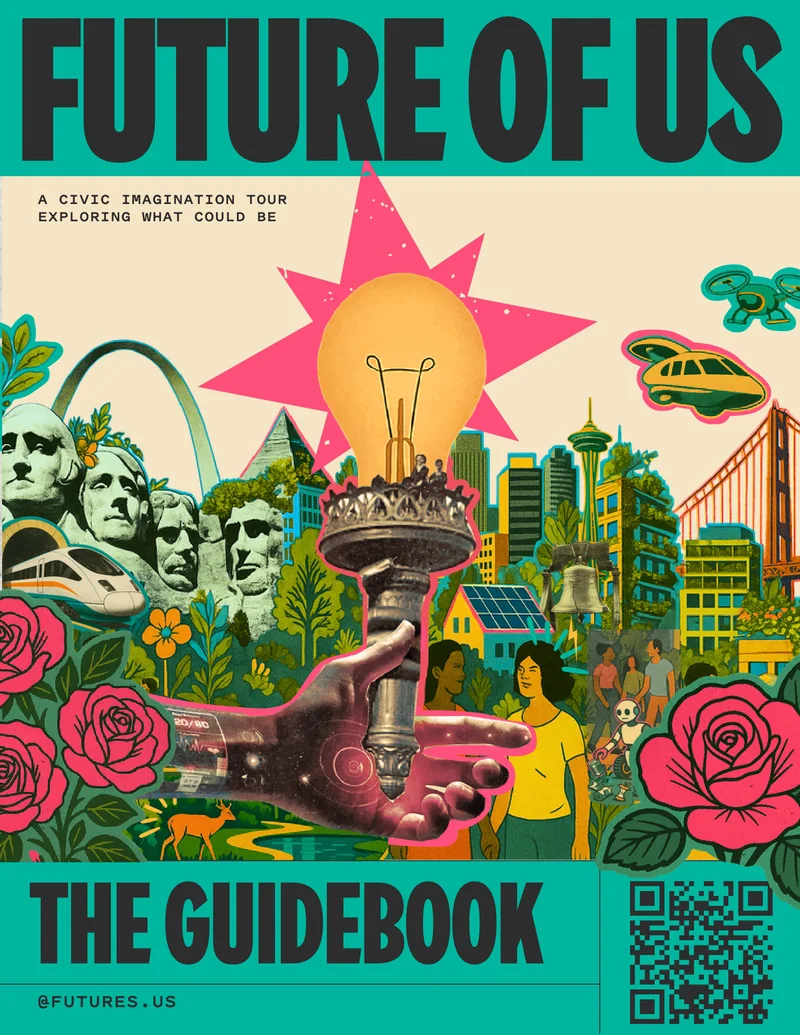
The Guidebook
Check out the Guidebook
Everyone who joined a conversation on the tour got a copy: what’s emerging in each of the four futures, plus the games, reflections, and world-building tools from each gathering.
Download the Guidebook (PDF, 29 MB)PDF · 29 MB
The approach
Imagination is a civic practice
As adults, society doesn’t make it easy for us to imagine. There are few spaces where we can gather and peer into each other’s visions for the futures we want for our communities. The Visions tour was an experiment in giving people permission to take imagination seriously, as an act of connection and a shared civic practice.
We went both to people who know what they want and to those who are rarely asked, across ages, politics, and backgrounds, in bars and cafes, living rooms and boats, and even a Walmart or two. We worked with local co-hosts to invite people to join the conversation and pick a theme, and popped up in public spaces for spontaneous collisions. One house rule: be good to each other.
On the tour, three different approaches to collecting visions
Format 1 · Pop-up
Community Conversations
Across the country, we started conversations wherever people already were, from bars and cafes to roadside gas stations. Some of the most interesting visions came from people we met along the way.
Format 2 · Facilitated
Civic Imagination & Speculative World-building
With local co-hosts, we guided small groups as they built future worlds together, free of the assumptions that usually box us in.
Format 3 · Research & observation
Field Listening
We sat in on gatherings of experts, practitioners, creatives, philanthropists, technologists and entrepreneurs working at the edge of what’s possible, and interviewed them along the way.
What came of it
Visions, made visible
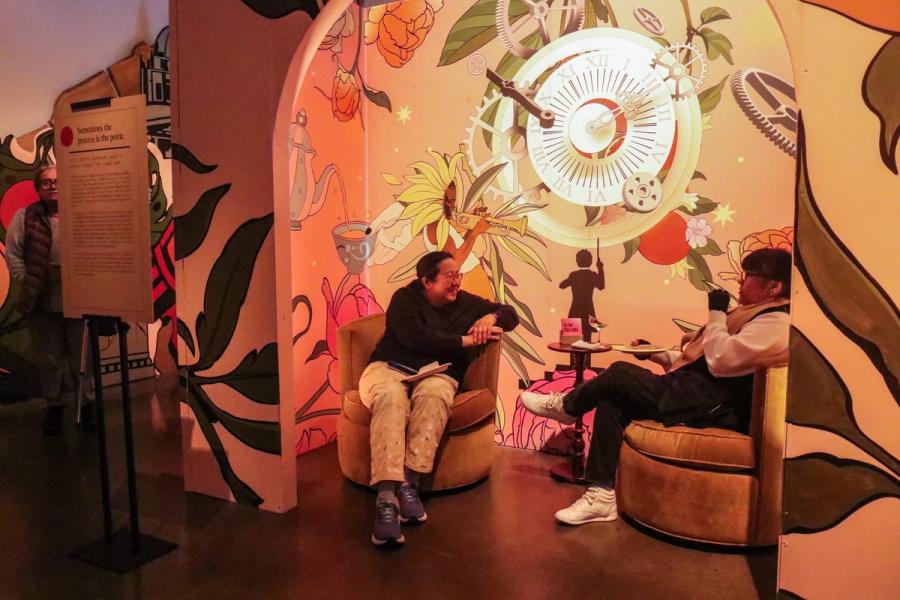
A team of anthropologists, ethnographers, researchers, storytellers, and artists turned what we heard into three ways to explore it.
Start here
What we heard
The big themes that came up again and again, across politics, geography, and generations.
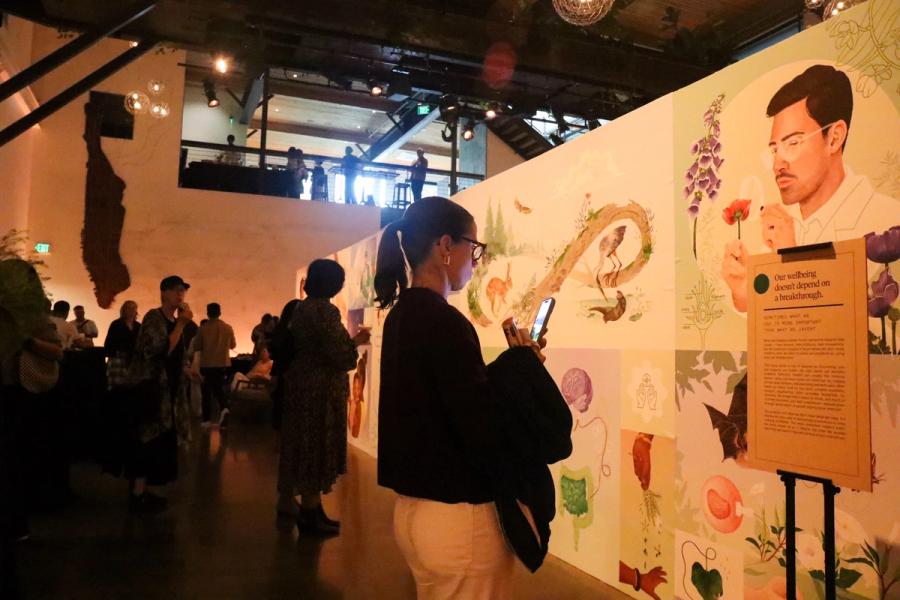
Four immersive worlds
The exhibits
We synthesized what we heard across the entire tour into four exhibits, each with a lead artist building a visual world you could step into.
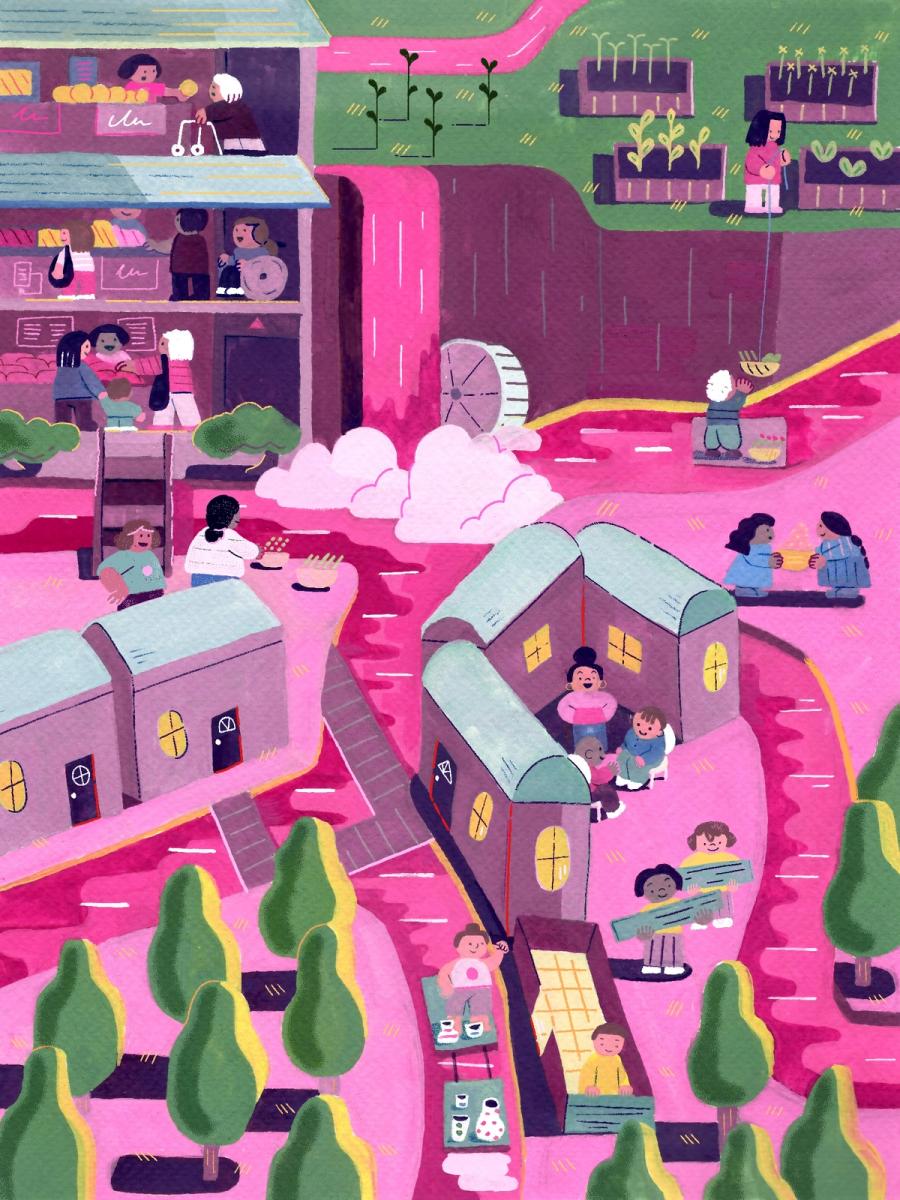
The living archive
Hall of Anythings
Artists created original works inspired directly by the visions we heard across the country, each paired with a story for others to experience and reflect on.
What’s next for Visions
From imagination to action
The Visions tour doesn’t stop here. It’s an ongoing practice and pipeline: we’re already scoping our next round, and adding more to the collection from our 2026 tour.
Imagination matters at the local level too, and the more local we get, the more we can act on it. Alongside the national tour, we’re going deep in San Francisco’s neighborhoods to surface the futures people imagine, and working with partners across the city to turn them into real-world impact and decision-making.
We’re also turning our world-building approach into a toolkit anyone can use. We know we’re not the only ones doing this work, and we can’t do it alone, so we’re building tools and infrastructure to help anyone who wants to join the effort.